The Black Human: Identity, History, and Cultural Impact
The term “Black human” refers broadly to people of African descent across the world, encompassing a rich diversity of cultures, histories, and identities. Understanding the Black experience requires looking beyond stereotypes and acknowledging the deep historical roots, resilience, and global contributions of Black communities.
Historical Background
The story of Black humans is deeply tied to the origins of humanity itself. Scientific evidence shows that modern humans first evolved in Africa, making the continent the cradle of human civilization. Over thousands of years, African societies developed complex cultures, languages, and systems of governance.
However, history also includes painful chapters such as the transatlantic slave trade, colonization, and systemic discrimination. Millions of Africans were forcibly taken from their homelands and subjected to slavery, particularly in the Americas. This legacy has had long-lasting effects on social, economic, and political structures worldwide.
Identity and Diversity
It’s important to recognize that Black identity is not monolithic. Black people come from various regions including Africa, the Caribbean, North America, South America, Europe, and beyond. Each region contributes unique traditions, languages, and cultural expressions.
For example, African cultures alone include thousands of ethnic groups, each with distinct customs. Similarly, African diaspora communities have blended their heritage with local influences, creating vibrant and evolving identities.
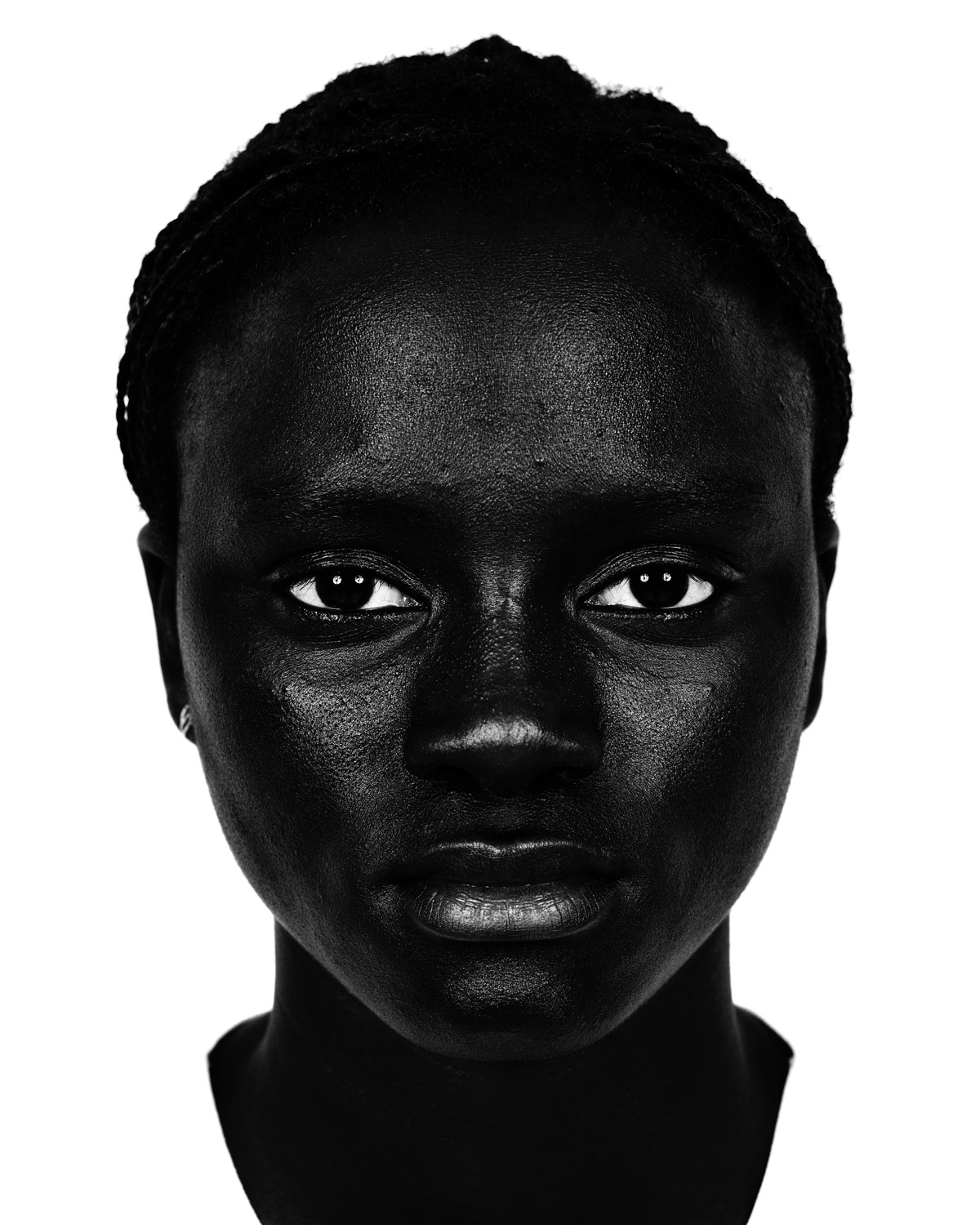
Cultural Contributions
Black humans have significantly shaped global culture. In music, genres such as jazz, blues, hip-hop, reggae, and gospel all trace their roots to Black communities. These styles have influenced artists worldwide and continue to evolve.
In literature, art, and film, Black creators have used storytelling to explore identity, resistance, and creativity. From powerful novels to groundbreaking films, these works have expanded global perspectives and challenged societal norms.
Sports is another field where Black individuals have made remarkable contributions, often breaking barriers and inspiring future generations.
Social Challenges and Progress
Despite their contributions, Black communities have historically faced systemic inequality, including racism, discrimination, and limited access to opportunities. Movements advocating for civil rights and social justice have played a crucial role in addressing these issues.
In recent decades, there has been increasing awareness about racial equality and representation. Activism, education, and policy changes continue to push societies toward greater inclusion and fairness.
Representation and Media
Representation matters. The way Black individuals are portrayed in media can influence public perception and self-identity. Positive and accurate representation helps break stereotypes and promotes understanding.
Today, there is a growing demand for diverse voices in media, leading to more inclusive storytelling and opportunities for Black creators.
कोई टिप्पणी नहीं:
एक टिप्पणी भेजें